
Telemedicine Integration in Emergency Care: Effects on Clinical Outcomes, Workflow Efficiency, and Patient Satisfaction—A Systematic Review
Pages 1-16
https://doi.org/10.22034/jampbr.2026.596936.1112
Roxana Hessam, Maryam Milanifard
Abstract Background: Emergency care systems worldwide face increasing challenges due to overcrowding, limited specialist availability, geographic disparities, and the need for rapid clinical decision-making. Telemedicine has emerged as an innovative approach to improve access to expert consultation, optimize emergency department (ED) workflows, and enhance patient-centered care. This systematic review evaluates the effects of telemedicine integration in emergency care on clinical outcomes, workflow efficiency, and patient satisfaction.
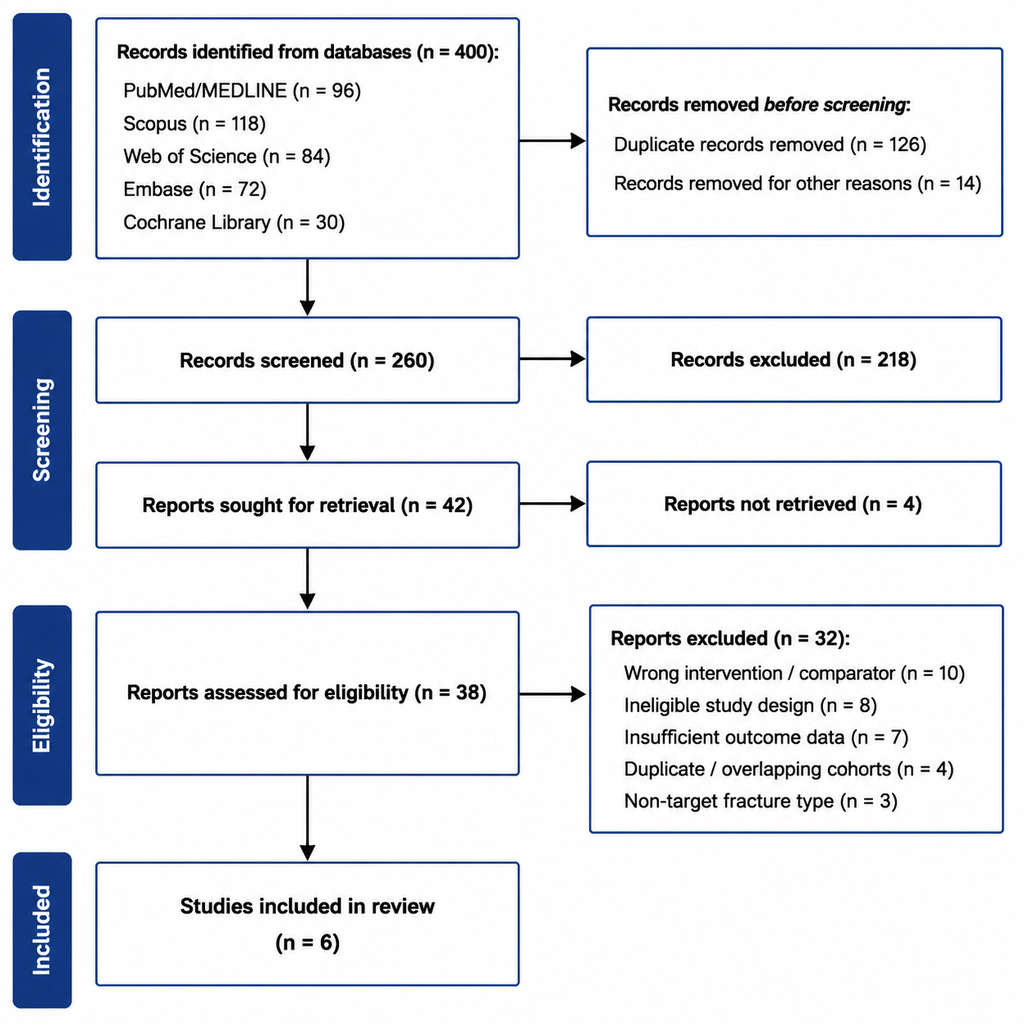
Methods: A systematic review conducted following the Preferred Reporting Items for Systematic Reviews and Meta-Analyses (PRISMA) guidelines. Electronic databases including PubMed, Embase, Scopus, Web of Science, and Cochrane Library searched for studies evaluating telemedicine applications in emergency care. Eligible studies included randomized controlled trials, prospective and retrospective observational studies, and comparative studies reporting clinical outcomes, operational performance, or patient satisfaction measures. Data regarding study characteristics, telemedicine models, emergency conditions, outcomes, and quality indicators extracted and synthesized.
Results: 28 studies involving more than 120,000 emergency care encounters were included. Telemedicine implementation was associated with improved access to specialist consultation, reduced time-to-treatment, decreased emergency department length of stay, and enhanced diagnostic decision-making. The greatest benefits observed in stroke, trauma, cardiac emergencies, and rural emergency care settings. Meta-analysis demonstrated a significant reduction in treatment delays and improved workflow efficiency. Patient satisfaction was generally high, with users reporting improved communication, reduced travel burden, and increased confidence in medical decisions. However, challenges included technological limitations, provider training requirements, and integration with existing healthcare systems.
Conclusion: Telemedicine represents an effective strategy for improving emergency care delivery by enhancing clinical decision-making, accelerating treatment processes, and improving patient experiences. Successful implementation requires reliable technological infrastructure, standardized clinical protocols, and continuous evaluation of outcomes. Future research should focus on large-scale randomized studies and cost-effectiveness analyses to optimize telemedicine integration into emergency healthcare systems.